

Automation designed around one specific workflow
Off-the-shelf automation covers the process everyone has. Custom automation covers the one that makes you money. We map your workflow as it really runs — exceptions, approvals, the spreadsheet in the middle — then build the automation around it, with a model on the steps that need judgement.
Built for operations teams at growing companies










Built for your process, not for the demo
Every engagement starts with the workflow on paper — who touches it, what they check, where it stalls, and which exceptions are real. The automation is then designed around that map, so it survives the cases a generic template quietly ignores.
Process mapped before anything is built
We watch the work happen and write down the actual path, including the informal steps. Scope comes out of that map, so nothing critical is discovered in week six.
No platform ceiling
Where a low-code tool fits we use it; where it would cap you we write the service. The process decides the tooling instead of the licence deciding the process.
Exceptions designed, not deferred
Every branch has a defined outcome — retry, enrich, route to a named person, or park for review — so nothing disappears between two systems.
Runs unattended, reports honestly
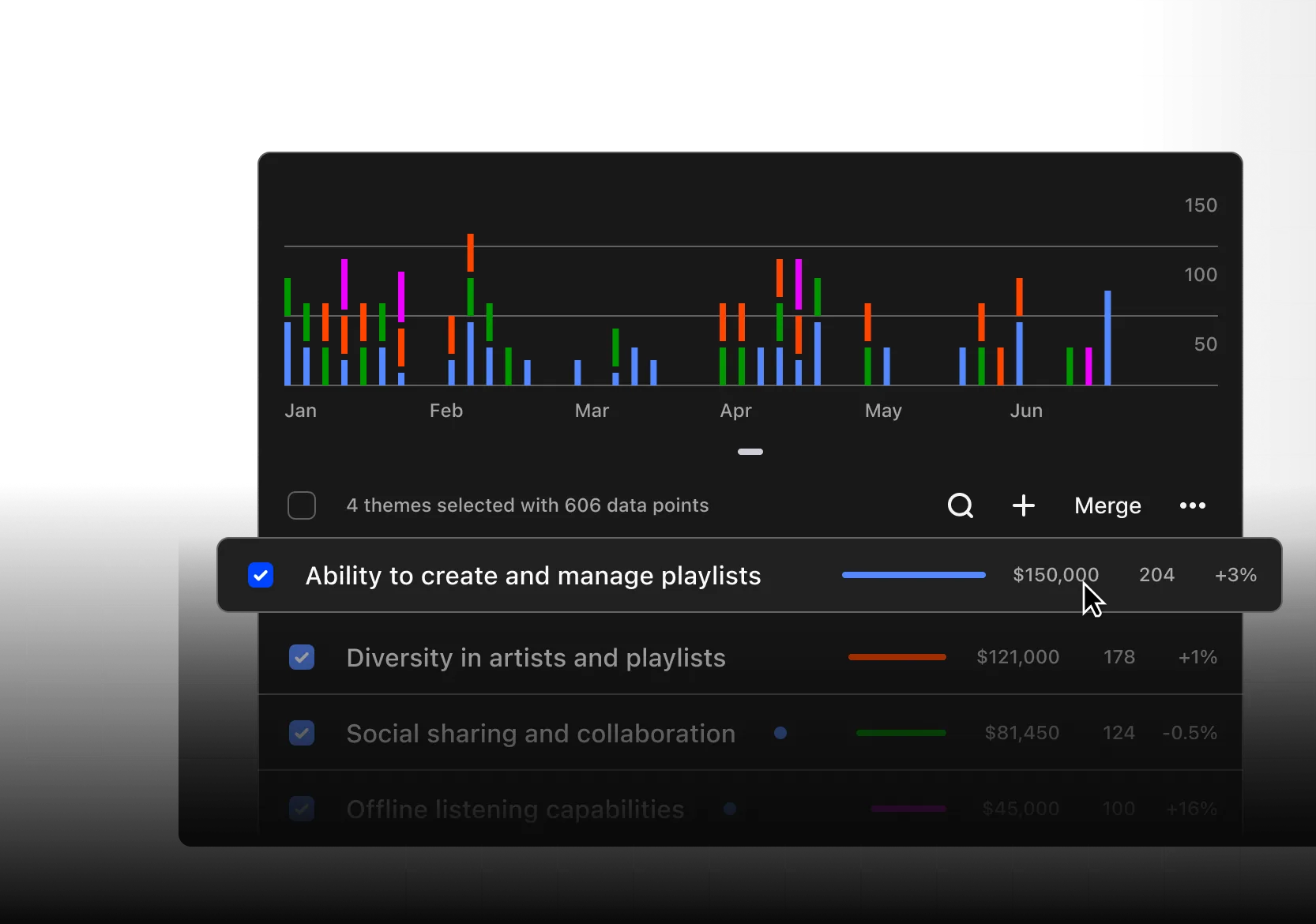
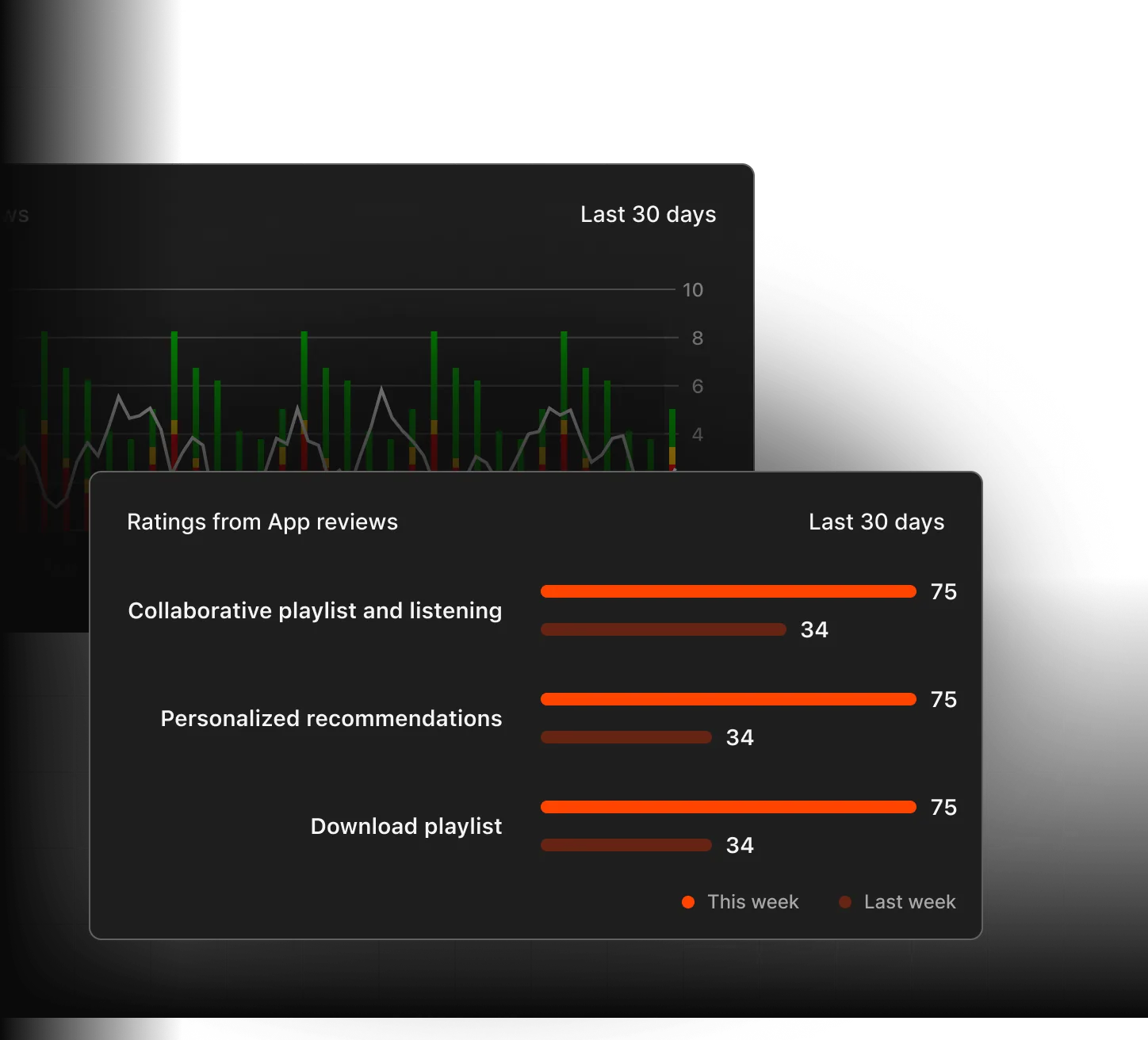
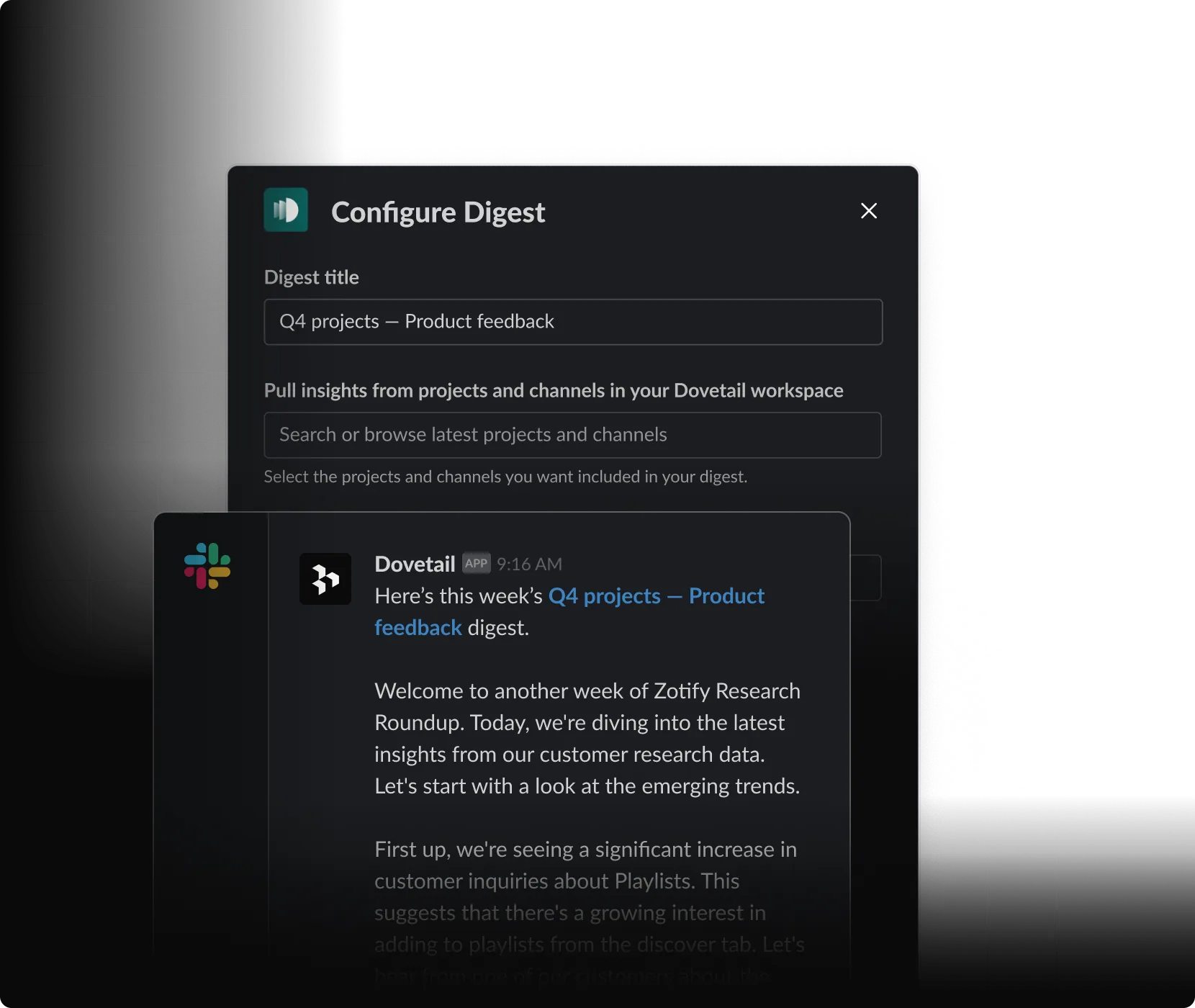
Schedules, queues, alerts and dashboards ship with the automation, so the team knows what ran, what stalled, and what needs a human today.
Rules where rules work, models where they do not
Most workflows are part deterministic and part judgement. We automate the fixed path directly and put a model on the rest — reading documents, classifying cases, drafting the response — so the process finishes instead of stopping at the first unusual record.
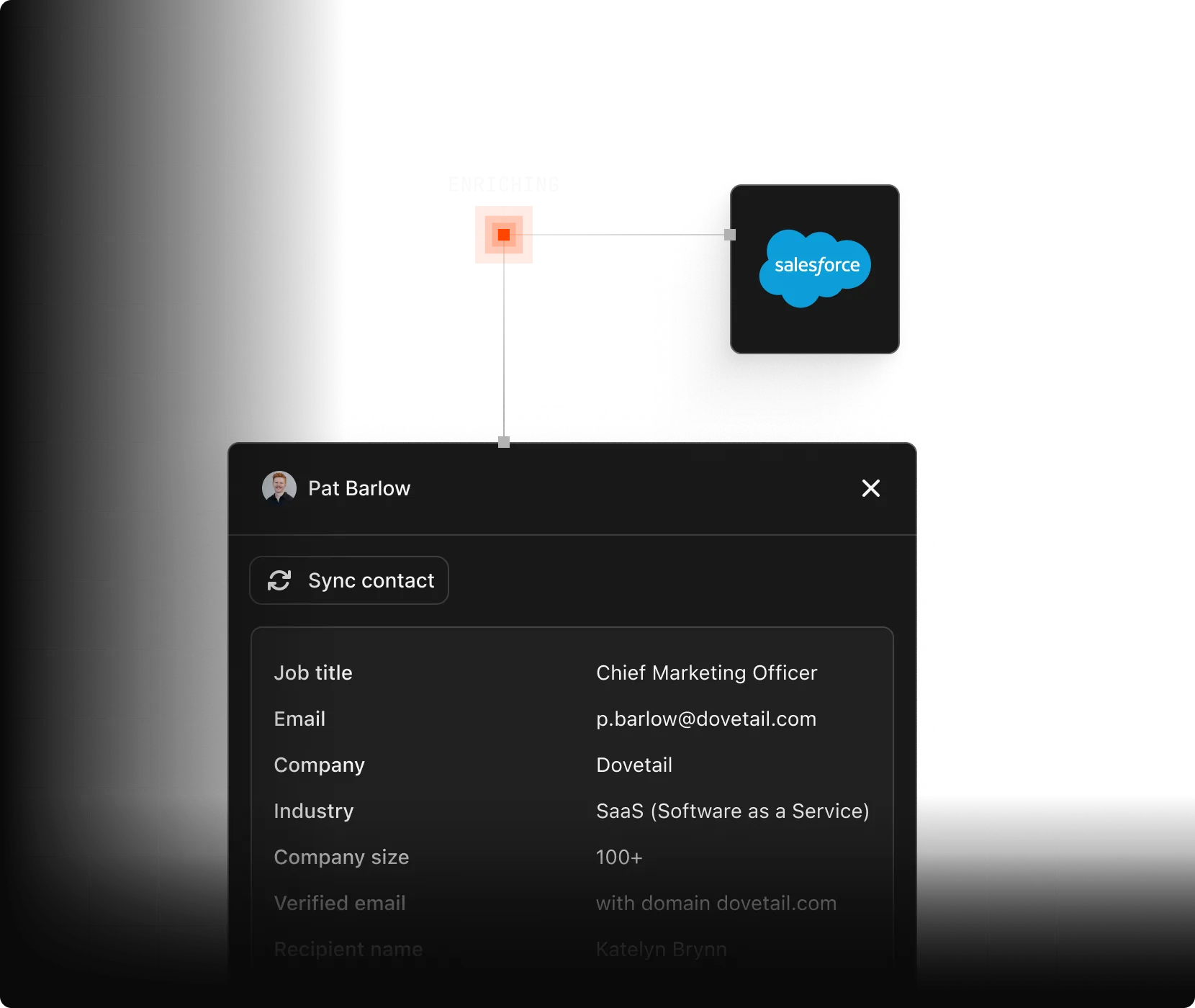
Documents and free text, read
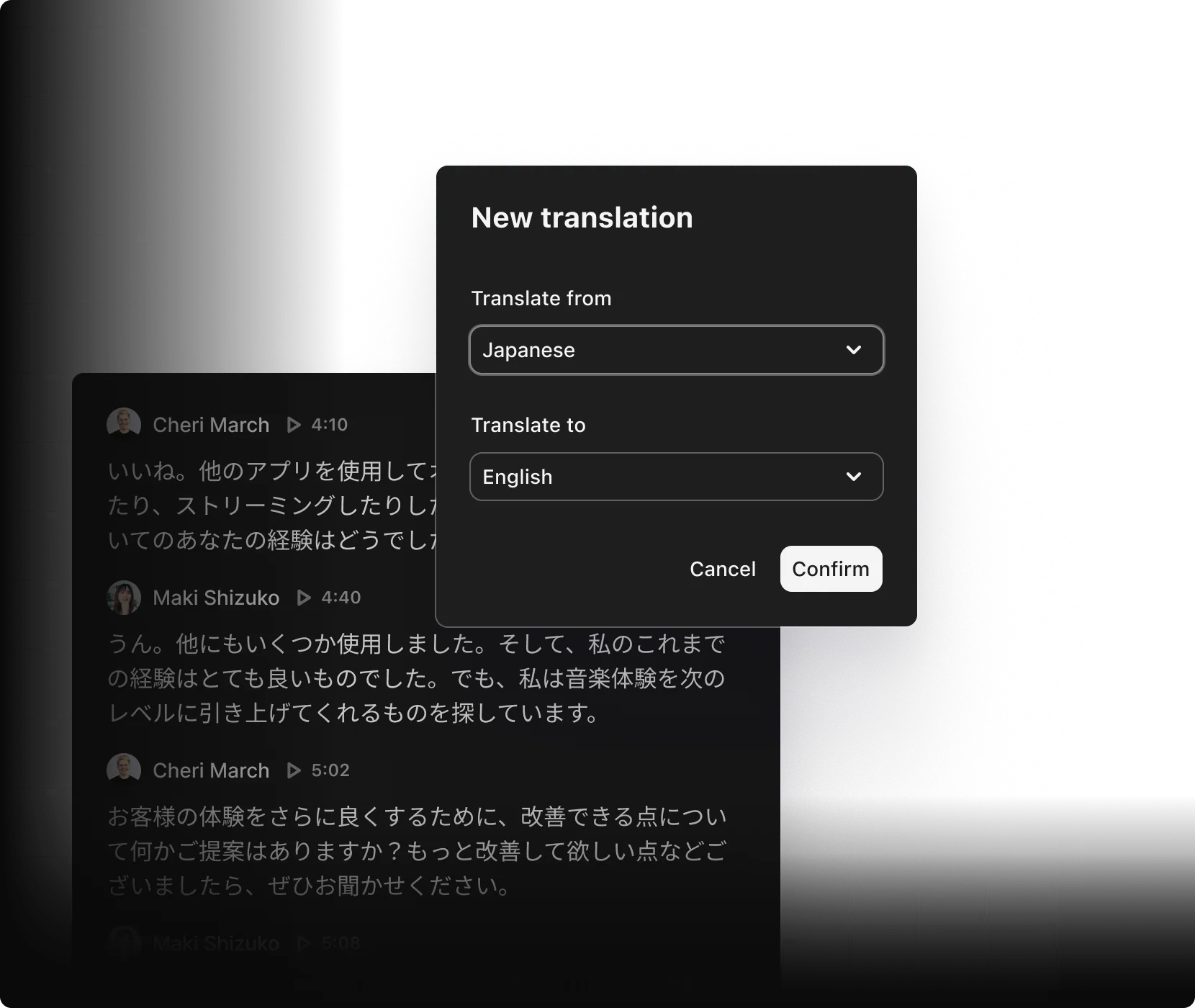
Invoices, emails, forms, scans and notes are turned into structured values the workflow can act on, so a PDF is no longer where automation ends.
Judgement steps handled
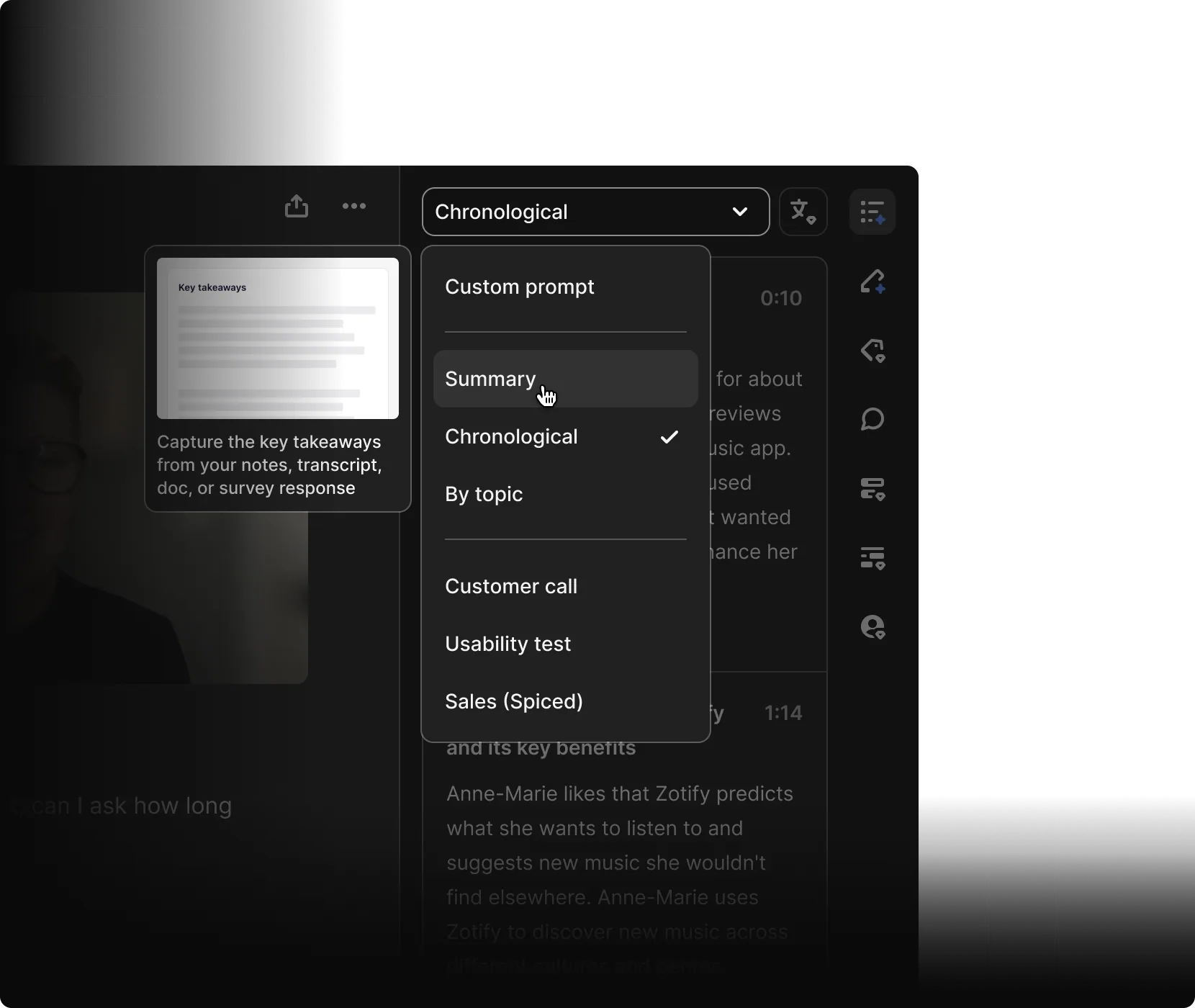
Classification, matching, prioritisation and drafting are done by a model against your own rules and examples, with confidence thresholds that decide when a person is asked.
Wired into systems you already run
ERP, CRM, accounting, email, storage, messaging and internal databases — connected through APIs where they exist, and driven at the interface only where there is no other way in.
Human in the loop by design
Approvals, spot checks and review queues are part of the flow, so autonomy is turned up gradually as the automation earns trust rather than assumed on day one.
Documents and free text, read
Invoices, emails, forms, scans and notes are turned into structured values the workflow can act on, so a PDF is no longer where automation ends.
Judgement steps handled
Classification, matching, prioritisation and drafting are done by a model against your own rules and examples, with confidence thresholds that decide when a person is asked.
Wired into systems you already run
ERP, CRM, accounting, email, storage, messaging and internal databases — connected through APIs where they exist, and driven at the interface only where there is no other way in.
Human in the loop by design
Approvals, spot checks and review queues are part of the flow, so autonomy is turned up gradually as the automation earns trust rather than assumed on day one.
How a distributor automated despatch paperwork nobody could standardise
Four document formats, three carriers and a manual check per order — mapped, automated, and running unattended with an exception queue the team clears in minutes.
FAQs
RPA is one tool. Custom automation is the engagement that starts from your workflow and picks whatever fits — a bot, a service, an integration, a model, or a combination. Where a bot fleet is the right answer, we build it exactly as described on our RPA page.
A short mapping phase on your process, a scoped build of the first workflow, then a review before we automate the next. You see something running against real data early rather than at the end.
Anything repetitive, rules-heavy, high volume or spread across systems — reconciliations, document handling, order and case intake, reporting packs, data movement between platforms, and the internal admin that quietly consumes a headcount.
No. Custom automation is designed to work with what you already run, including legacy applications. Where a system has no interface, we integrate at the database or the screen and document the constraint.
Monitoring, alerting and run logs ship with the build, and we offer ongoing support with a named engineer. Where you would rather own it, we hand over the code, the infrastructure and the runbook.
Hours reclaimed, error rate, cycle time and exception volume are instrumented per workflow, so the case is reported live on a dashboard instead of estimated after the fact.