

Applied AI, built to run in production
Solonomous designs, builds, and operates the whole applied-AI stack — model selection and fine-tuning, retrieval, agents, and the automation that carries the output into the systems your business already runs on.
Built for data, operations, and platform teams putting AI into production










One engineering discipline, not six pilots
Most AI programmes stall because every layer belongs to a different team and none of them own the outcome. We build the stack as a single system — models, retrieval, orchestration, and evaluation — so a change anywhere in it is measured against the same bar.
Model selection you can defend
Frontier APIs where reasoning carries the task, open-weight models where cost, latency, or data residency decides it — benchmarked on your workload rather than a public leaderboard.
Retrieval treated as infrastructure
Hybrid search, reranking, and grounded citations turn your documents, tickets, and warehouse tables into context the model can actually be held to.
Agents with a bounded blast radius
Tool calls run behind typed schemas, scoped permissions, and human approval on anything irreversible, so autonomy is a design decision instead of an accident.
Evaluation from the first commit
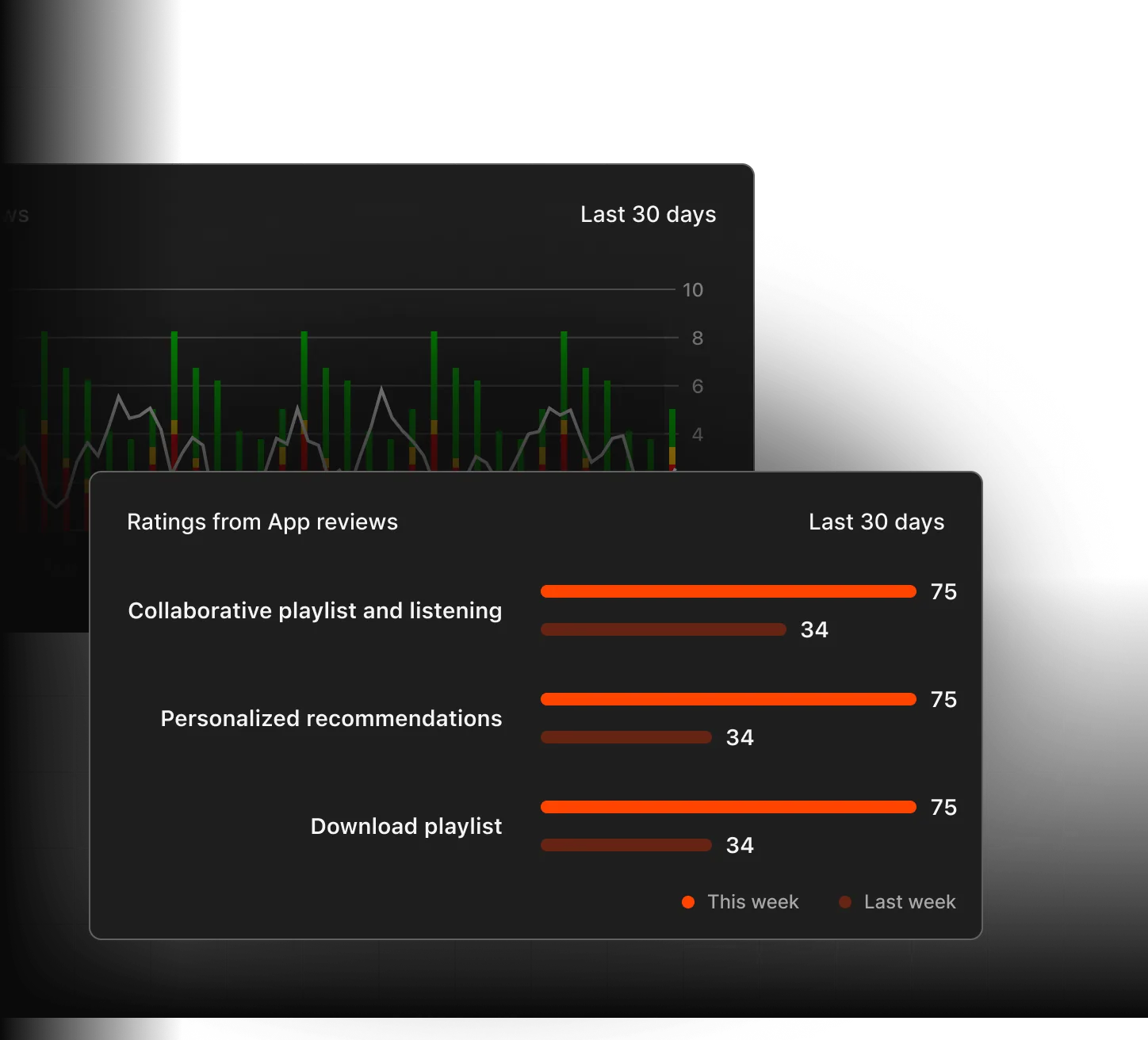
Golden sets, regression suites, and LLM-as-judge scoring gate every prompt, model, and index change before a single user sees it.
The part most AI programmes skip
Shipping the model is the easy half. What decides whether the system is still trusted six months later is the operational layer around it — telemetry, cost control, guardrails, and a clear answer to who owns it.
Observability on every call
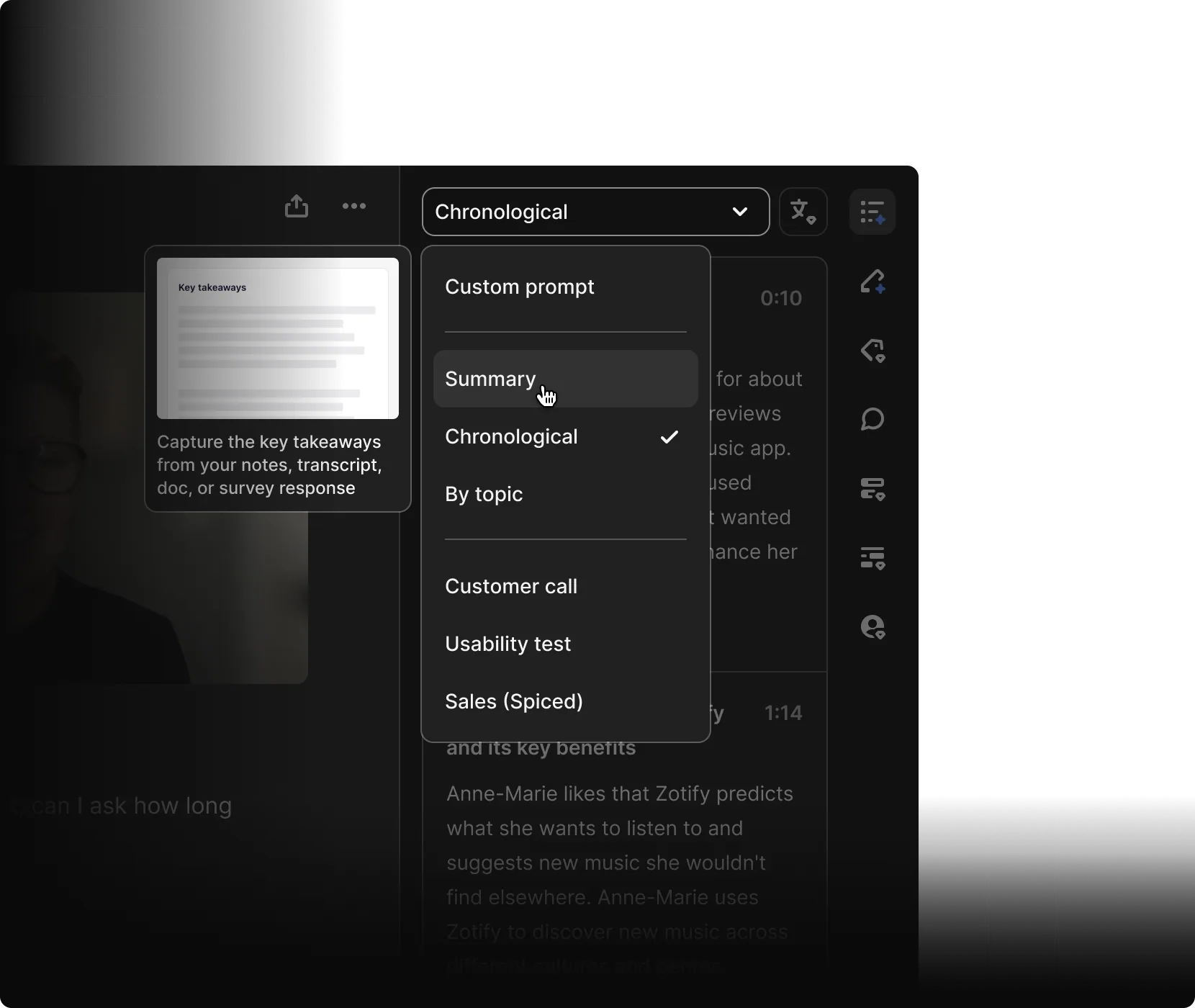
Latency, token spend, retrieval hit rate, tool-call success, and drift land on one dashboard, so the team accountable for the system can see exactly how it is behaving.
Cost that stays predictable
Semantic caching, model routing, and distillation onto smaller models keep unit economics flat as volume grows instead of scaling straight up with it.
Guardrails at the boundary
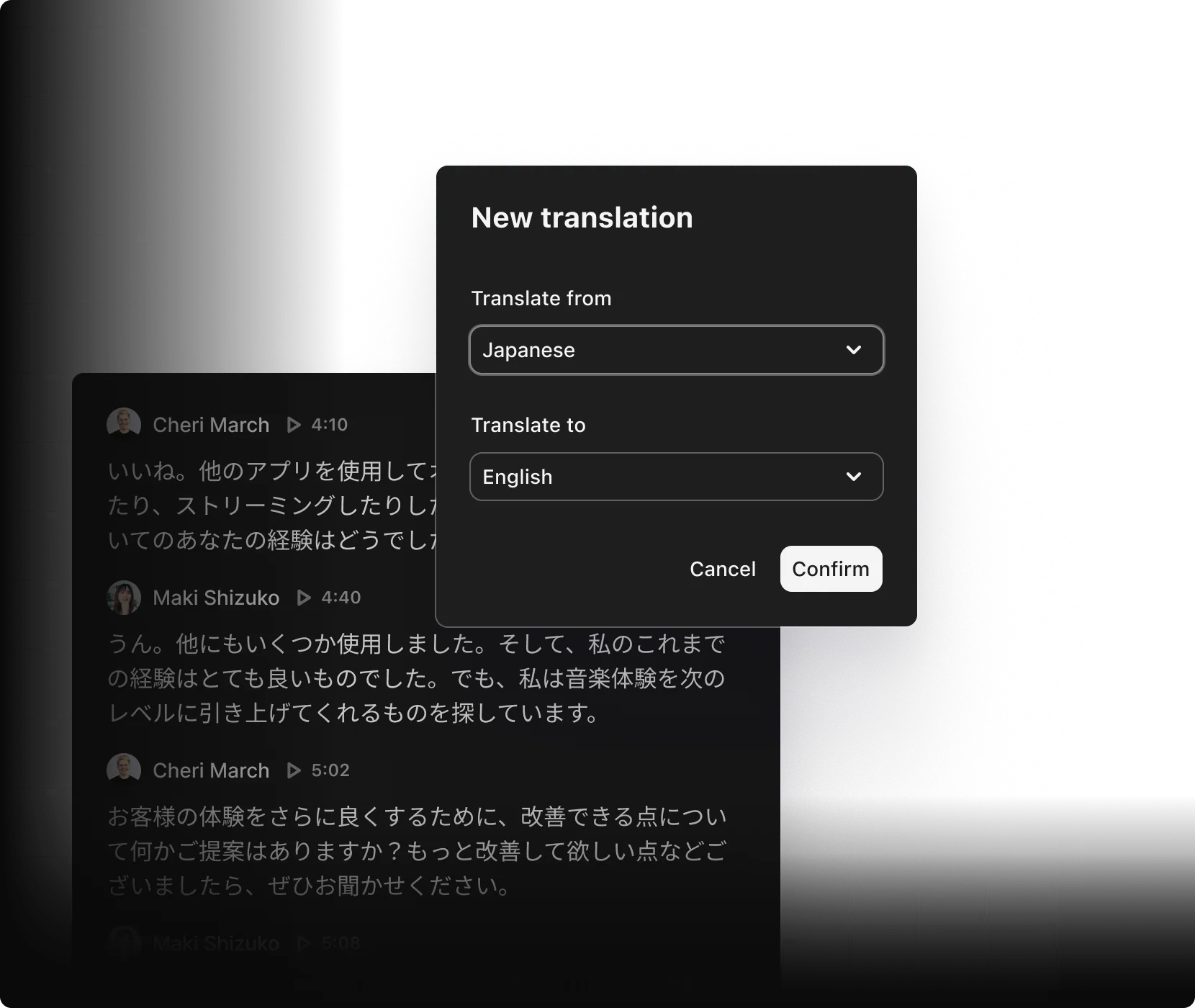
Input validation, PII redaction, output filters, prompt-injection defences, and fallback chains keep failures contained well before they reach a customer.
Ownership you keep
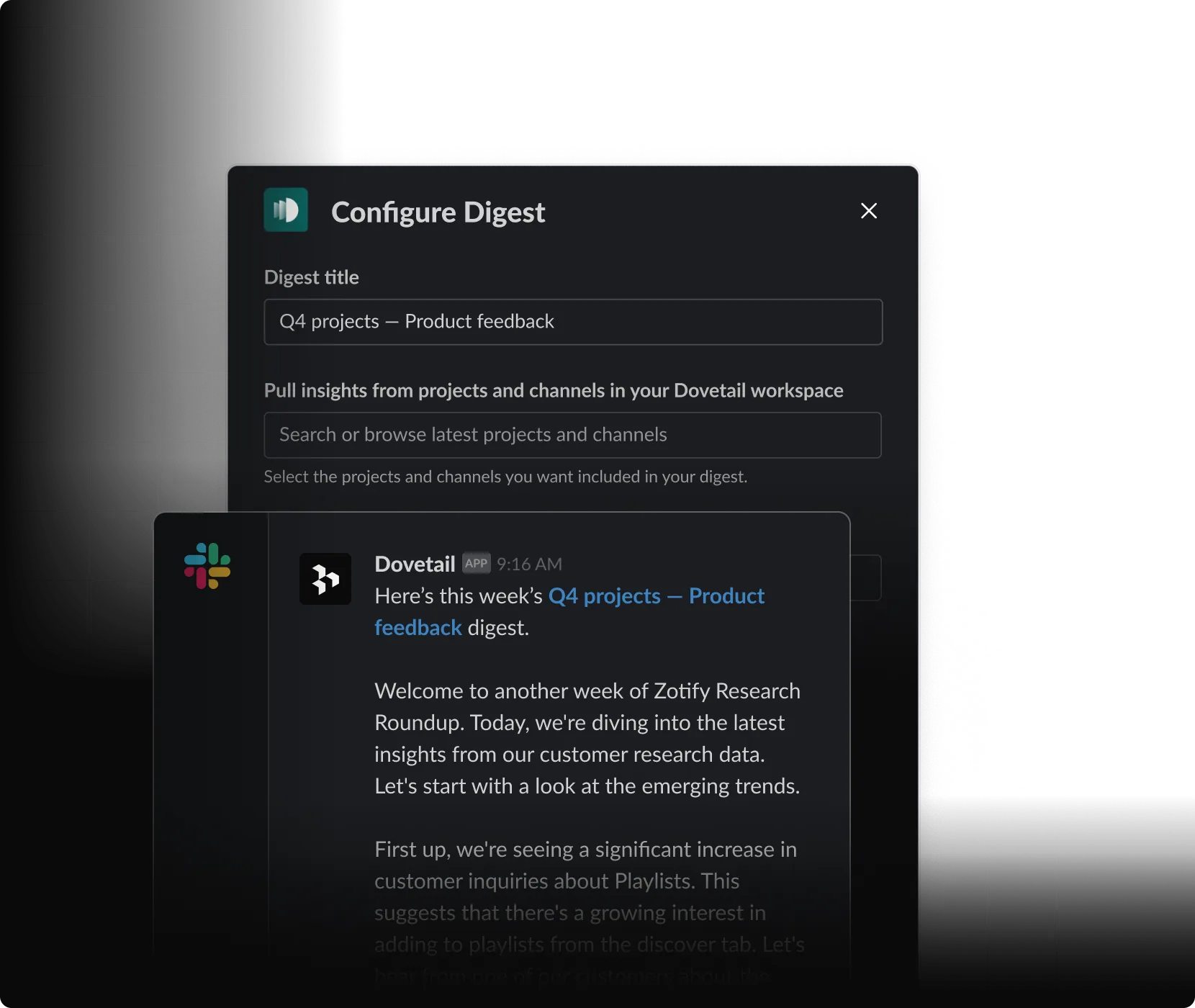
Systems run in your cloud accounts under your keys, with the pipelines, prompts, and evaluation sets documented and handed over. No black box, no runtime you cannot leave.
Observability on every call
Latency, token spend, retrieval hit rate, tool-call success, and drift land on one dashboard, so the team accountable for the system can see exactly how it is behaving.
Cost that stays predictable
Semantic caching, model routing, and distillation onto smaller models keep unit economics flat as volume grows instead of scaling straight up with it.
Guardrails at the boundary
Input validation, PII redaction, output filters, prompt-injection defences, and fallback chains keep failures contained well before they reach a customer.
Ownership you keep
Systems run in your cloud accounts under your keys, with the pipelines, prompts, and evaluation sets documented and handed over. No black box, no runtime you cannot leave.
How a logistics operator cut forecast error by a third
Replacing a spreadsheet model with a versioned pipeline and weekly retraining reduced demand-forecast error enough to take a full day of safety stock out of the network.
FAQs
The full applied stack — data pipelines, model selection and fine-tuning, retrieval, agent orchestration, evaluation, guardrails, and the integrations that put the output inside the workflow where the decision gets made.
Both, chosen per workload. Frontier APIs from Anthropic, OpenAI, and Google where reasoning quality carries the task; open-weight models served on vLLM where cost, latency, or data residency decides it. We benchmark the choice on your data before committing to it.
Your data stays in your environment by default. We work inside your cloud accounts, use customer-managed keys, scope access by role, and route nothing to a third-party provider without explicit approval.
Every build ships with an evaluation harness tied to the metric you are trying to move, plus live tracing on every call, so accuracy, cost, and latency are reported continuously rather than estimated at the end of a quarter.
Usually one workflow with a cost you can already name — a queue somebody is clearing by hand, a document set nobody can search, a decision that waits on an analyst. We instrument it, automate it, and use what that teaches us to scope the next one.